Ceramics
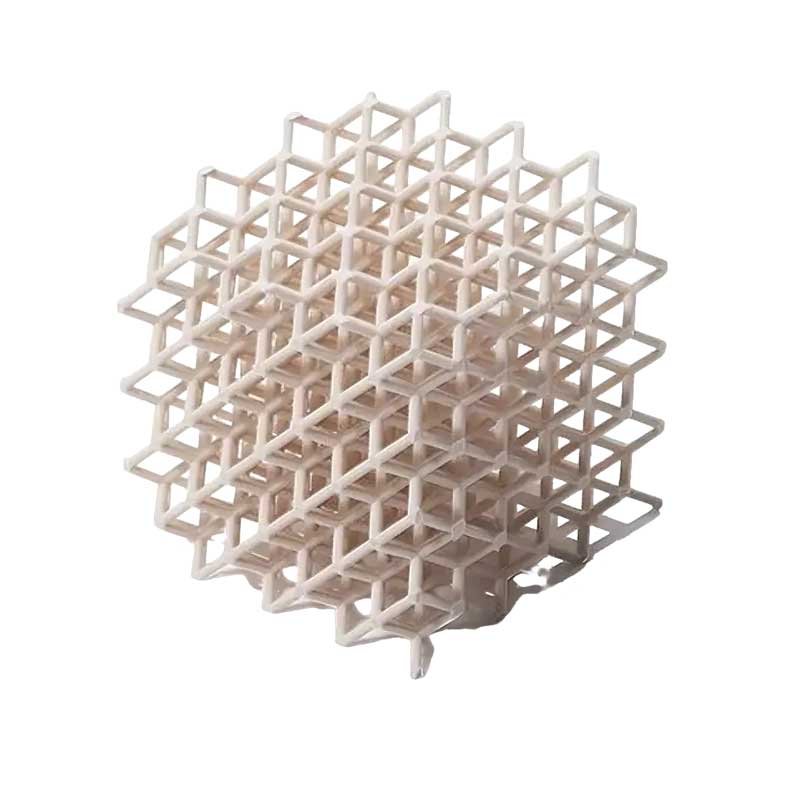
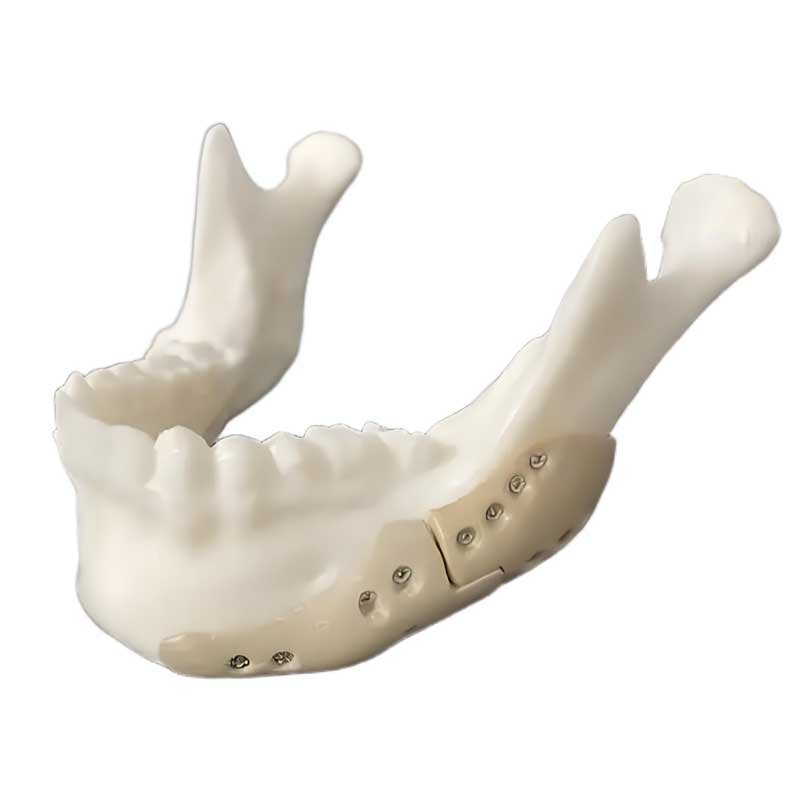
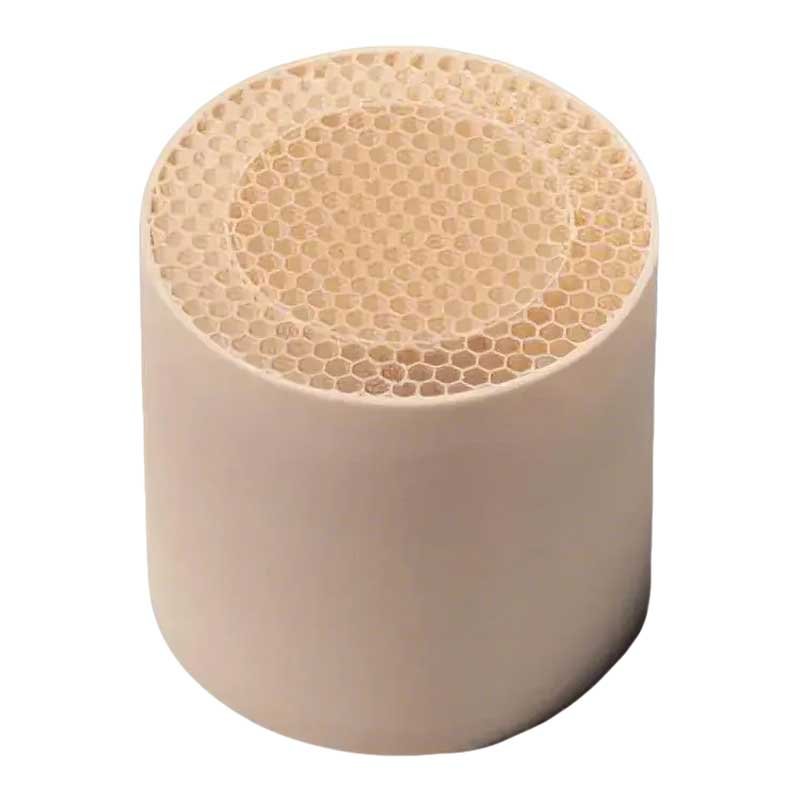
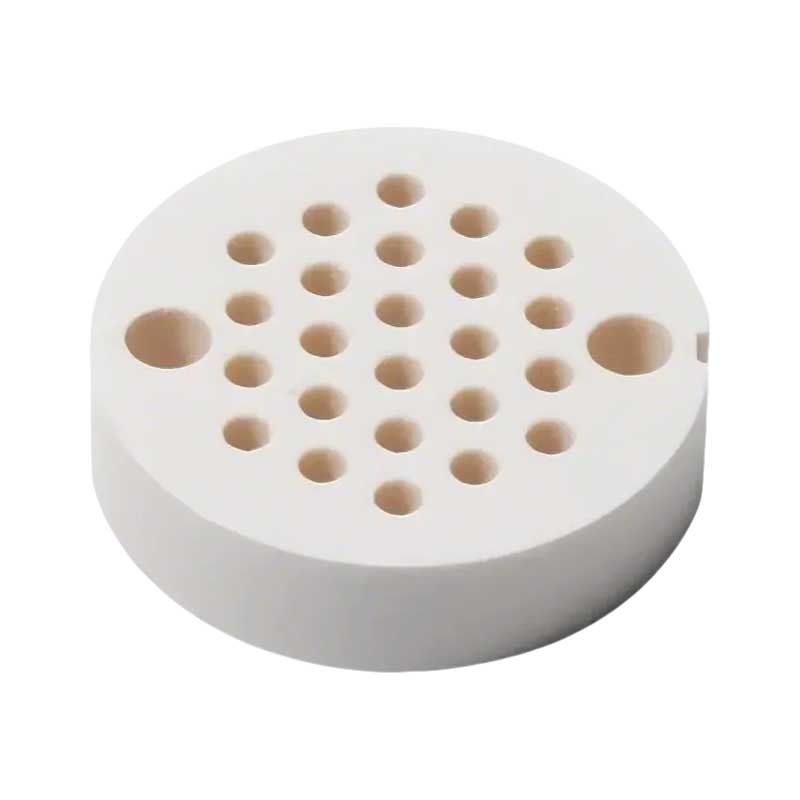
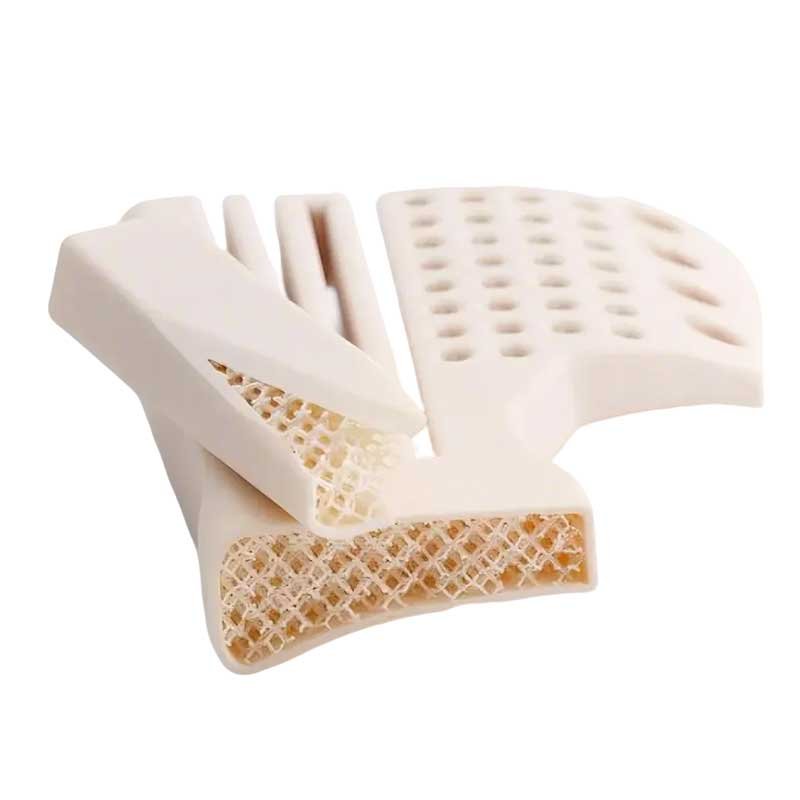
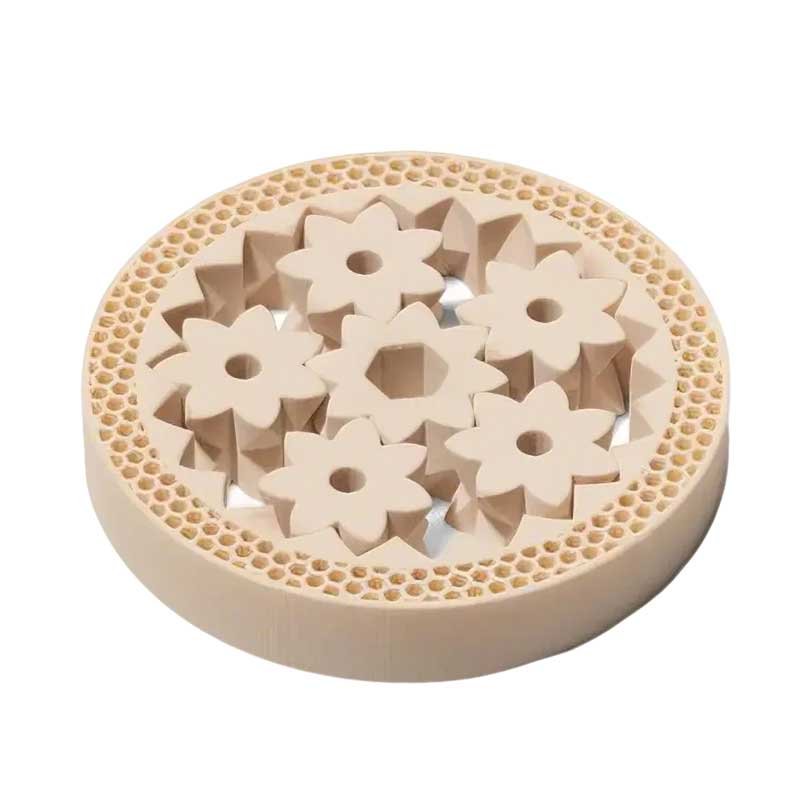
Ceramic materials are specialized 3D printing materials for manufacturing high-temperature-resistant and high-hardness components, primarily formed via photocurable ceramic resin (containing zirconia, alumina, etc.) or binder jetting processes. The photocurable process features 25–50μm layer thickness and high precision, requiring 1200–1600°C sintering to remove resin, resulting in products with HV 1000+ hardness and 1000°C+ temperature resistance, suitable for dental restorations and industrial high-temperature parts. Binder jetting enables large-scale printing (no supports needed) but produces rough surfaces requiring polishing. The materials are brittle, with 15%–25% sintering shrinkage needing pre-compensation, and demand specialized equipment (e.g., Lithoz) for process control.
| Product name | FormAlox 999 | FormAlox 998 | FormAcon 3Y |
| Product description | Engineering alumina parts, manufactured using LCM additive manufacturing method | Engineering zirconia parts, manufactured using LCM additive manufacturing method | |
| Material | Aluminum oxide (Al O2 3) | Aluminum oxide (Al O2 3) | Zirconium oxide (ZrO3 mol-% Y O2 3 stabilized) |
| Purity | 99.9 % | 99.8 % | 99.8 % |
| Density | 3.985 g/cm3 (99.4 % of theoretical density) | 3.985 g/cm3 (98.4 % of theoretical density) | 6.088 g/cm3 (99.4 % of theoretical density) |
| Hardness HV10 | 1550 | 1550 | 1250 |
| Bending strength | 430 MPa (4-point) | 400 MPa (4-point) | 930 MPa (4-point) |
| Young‘s modulus | 300 GPa | 380 GPa | 205-210 GPa |
| CTE | 7-8 ppm/K | 7-8 ppm/K | 10 ppm/K |
| Thermal conductivity | 37 W/mK | 29 W/mK | 2.5-3 W/mK |
| Surface roughness Ra | ~ 0.4 µm | 0.9 µm | ~ 0.3 µm |
| Max. operating temp. | 1650 °C | 1650 °C | 1500 °C |
| Color | White | White | White |
| Size | Max.: 84.9 x 51.4 x 156.8 mm Wall thickness: up to 4 mm | Max.: 84.9 x 51.4 x 156.8 mm Wall thickness: up to 5 mm | |
显示所有 6 结果